SF Inspiration #16: How We Create Conflicts In Everyday Life
SF Inspiration #16: How We Create Conflicts In Everyday Life
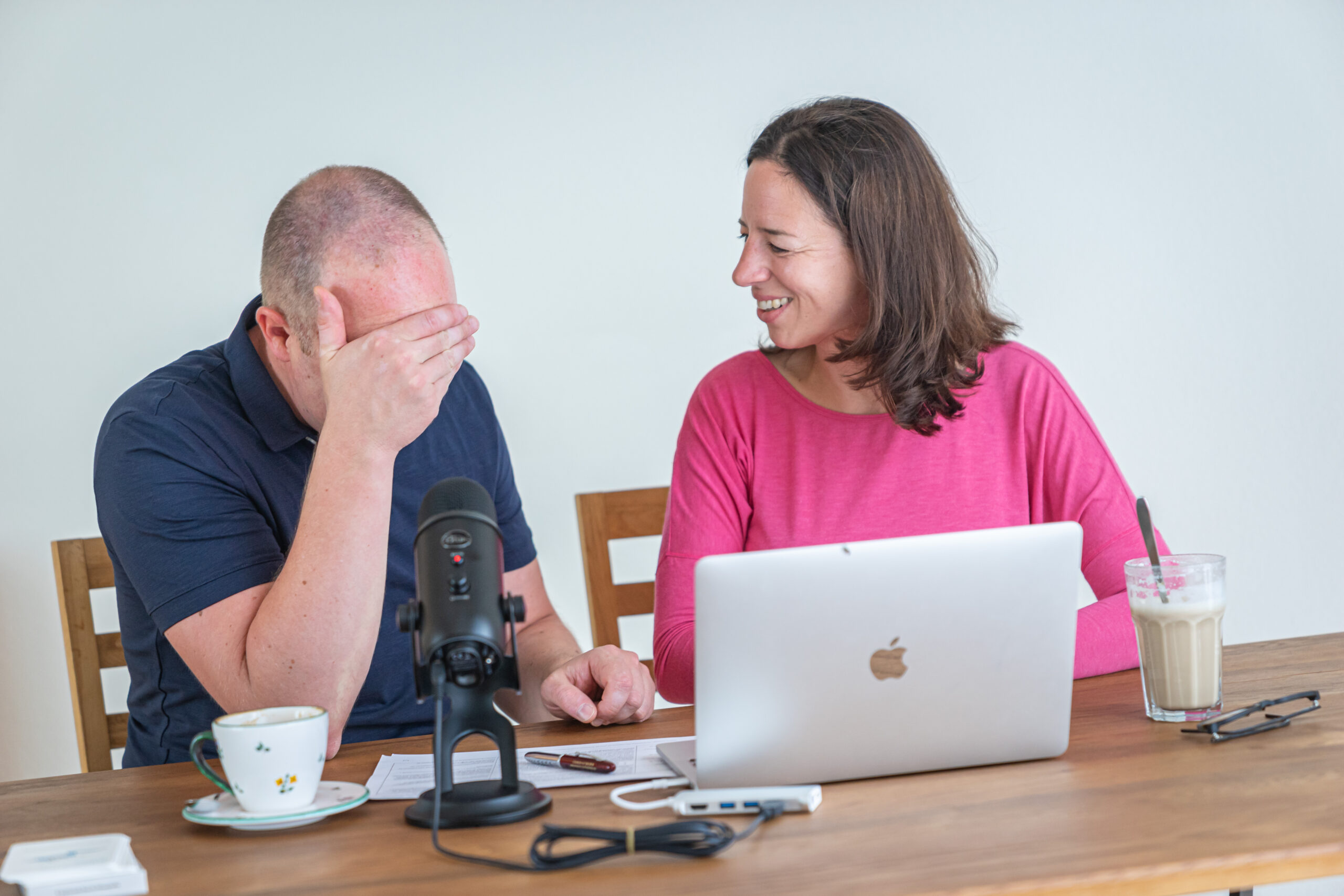
Dominik Godat & Elfie J. Czerny
How We Create Conflicts In Everyday Life
This article first appeared in June 2022 in our monthly magazine Persönlichkeit – Schritt für Schritt entwickeln und entfalten, published by WEKA Business Media AG, under the title “Wie wir Konflikte im Alltag erschaffen”.
How do conflicts arise? While many approaches explore conflicts as seemingly objective events, we argue that conflicts in everyday life are predominantly created through the way we use language. A harmless interaction can quickly turn into a tangible conflict through attribution, generalisation, reinterpretation, reification, and decoupling.
Conflicts seem ever-present. Over the past years, we’ve seen clashes on individual and societal levels—particularly during the Corona pandemic. The news is filled with reports of violence and war. Disagreements erupt in families, schools, and workplaces. Since February 2022, the Russian invasion of Ukraine has dominated public discourse. Clearly, conflicts are part of our reality. Or… aren’t they?
You might ask: “What kind of question is that? Of course, conflicts exist!” Yes—at first glance, that’s undeniable. Armed conflicts continue to occur around the world. And we regularly witness challenging moments in which people argue, express differing views, exclude one another, or even fight.
Different views
Many frameworks aim to explain how conflicts arise. Most focus on what appear to be objective conditions—on what is assumed to “actually” happen. These approaches describe, for instance, that “Conflicts emerge when incompatible goals, interests, needs, or values collide.” Some claim that “Conflict is a permanent feature of human interaction.” Today, this is a widely accepted view of conflict. And when we adopt this view, conflict indeed seems to be everywhere.
But what happens when we examine how we use the word “conflict” in everyday language? Things become less clear-cut. Standard definitions often assume that it is the objective nature of a situation (for example, two people disagreeing) that determines whether we call something a conflict. But there’s a compelling alternative: what matters far more is how we describe and label what is happening.
Conflicts in everyday life are primarily created through language – by labeling what happens as a conflict.
Conflicts are created through our language
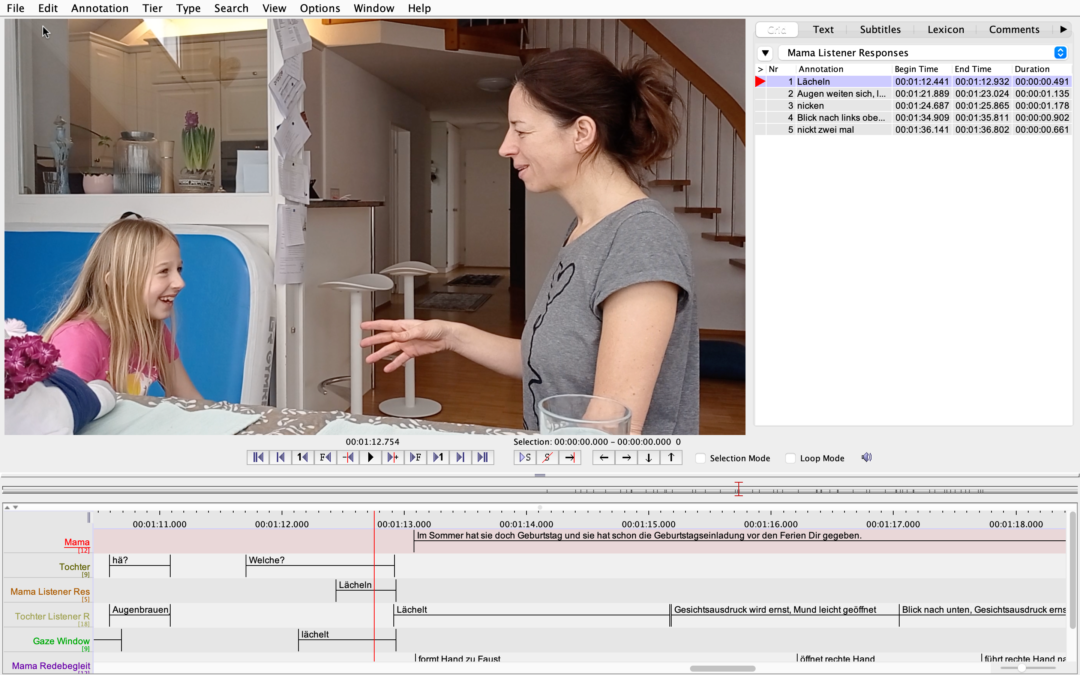
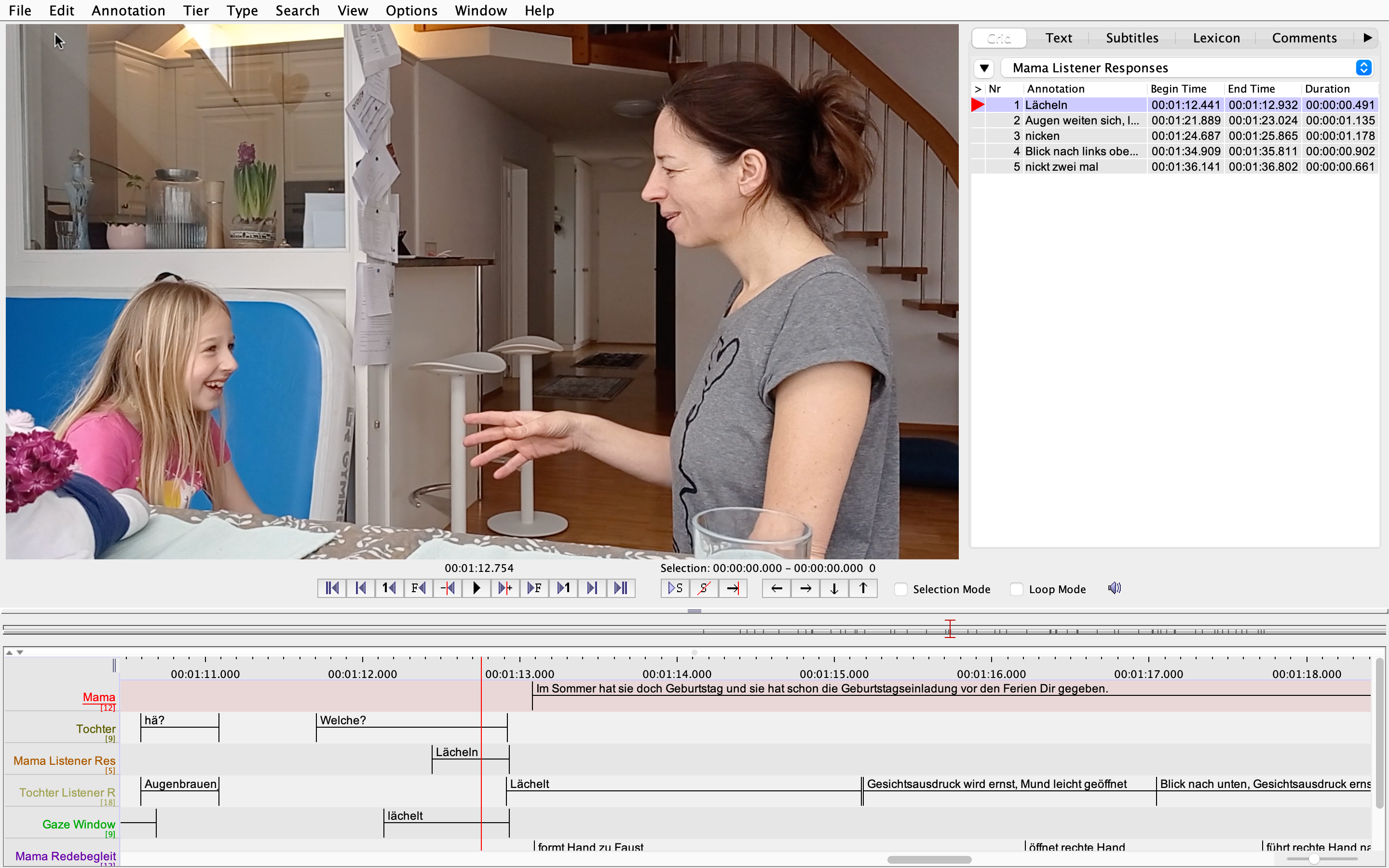
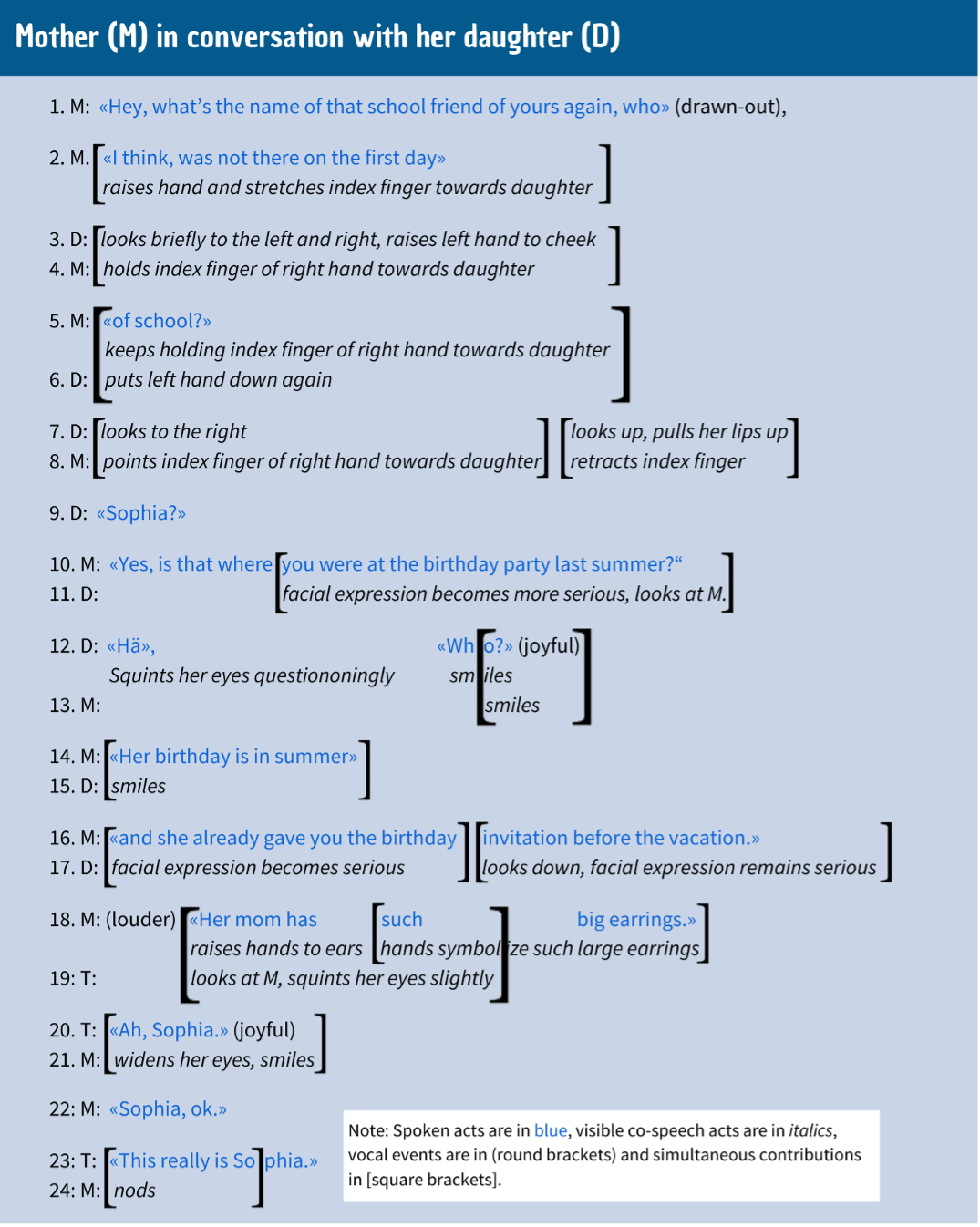
A few years ago, we contributed a chapter to a book on conflict management. In writing it, something struck us: conflicts in everyday life are often not observed but produced—through language. While we saw moments in which two people expressed different views, others described those very moments as conflicts.
Thus, we have a choice in how we describe a situation:
- Describing interaction or behaviour:
“I said something, and my colleague expressed a different view.”
→ This describes what each person actually said or did, in the order it happened. - Generalising:
“My colleague disagreed.”
→ This shifts to a more abstract description that no longer reflects the actual sequence, but still stays close to what happened. - Dramatising:
“My colleague always disagrees.”
→ This turns a one-time or repeated behaviour into a more exaggerated version. - Attributing traits:
“My colleague is stubborn.”
→ This no longer refers to specific behaviour or interaction but assigns a personal characteristic to one of the individuals. - Reinterpreting:
“We had a fight.”
→ This uses a term that doesn’t describe the actual interaction but rather interprets or evaluates the situation in a particular way. - Reifying:
“We had a dispute.” or “We have a conflict.”
→ This replaces verbs with nouns, linguistically transforming behaviour over time into a “thing” such as a conflict or dispute. - Decoupling:
“There is a conflict.”
→ This further detaches the linguistically created “thing” from both the people and their actions, making it appear as something that exists independently.
How to talk conflicts into being
While there is no conflict in descriptions 1 through 5, it is in steps 6 and 7 that a conflict is created. The situation itself remains unchanged—but the description is entirely different. What may seem like a subtle shift has far-reaching consequences. Depending on how a situation is described, entirely different lines of thinking and courses of action become relevant:
- At Step 1, the person might think about how to phrase things in the next conversation so that their colleague is more likely to agree.
- At Step 2, they might consider how to persuade their colleague in this specific case.
- At Step 3, a one-time solution no longer seems sufficient. They may feel the need to get to the bottom of why their colleague always disagrees.
- At Step 4, they might begin thinking about how to change their colleague.
- At Step 5, they may start developing strategies for reconciliation.
- From step 6 onward, things become noticeably more difficult. Now they “have” a conflict or a dispute. Simply changing behaviour no longer seems enough. They will likely start thinking about how to resolve the “dispute” or settle the “conflict.”
- At Step 7, the situation seems only marginally related to either person. Now, what’s needed are “solutions” to address “the conflict.”
The very same situation can become a different reality—simply through a change in wording. In everyday life, we quite literally create our conflicts through the way we talk about situations. The wording we choose doesn’t just shape how we—and others—experience the reality we construct through language. It also influences how easily and quickly, or how slowly and painfully, a situation seems likely to improve.
If you want to experience fewer conflicts, stay with describing the interaction itself—or the specific behaviours that took place.
In fact, the same event, differently worded, creates a different reality. In everyday life, we literally create conflicts through the way we speak about situations. Our choice of wording doesn’t just shape how we and others perceive reality—it also influences how easily or how arduously change seems possible.
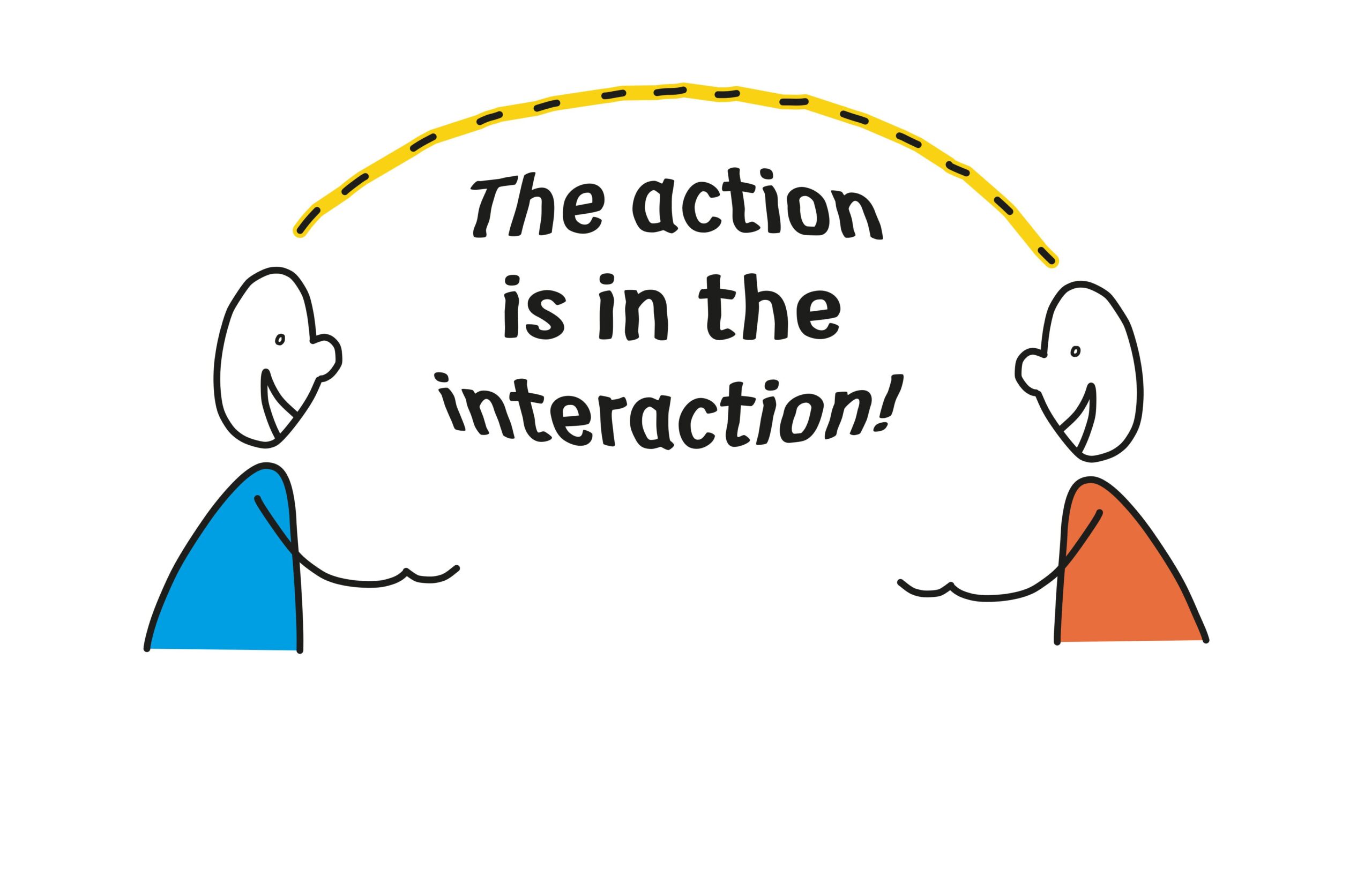
So, if you want to experience fewer conflicts, stay with describing the interaction itself—what people actually do and say together.
Further training on the topic
Join our Microanalysis online course and get to know what really happens in dialogue:
- English: sfontour.com/microanalysis
- German: sfontour.com/mikroanalyse
The Authors
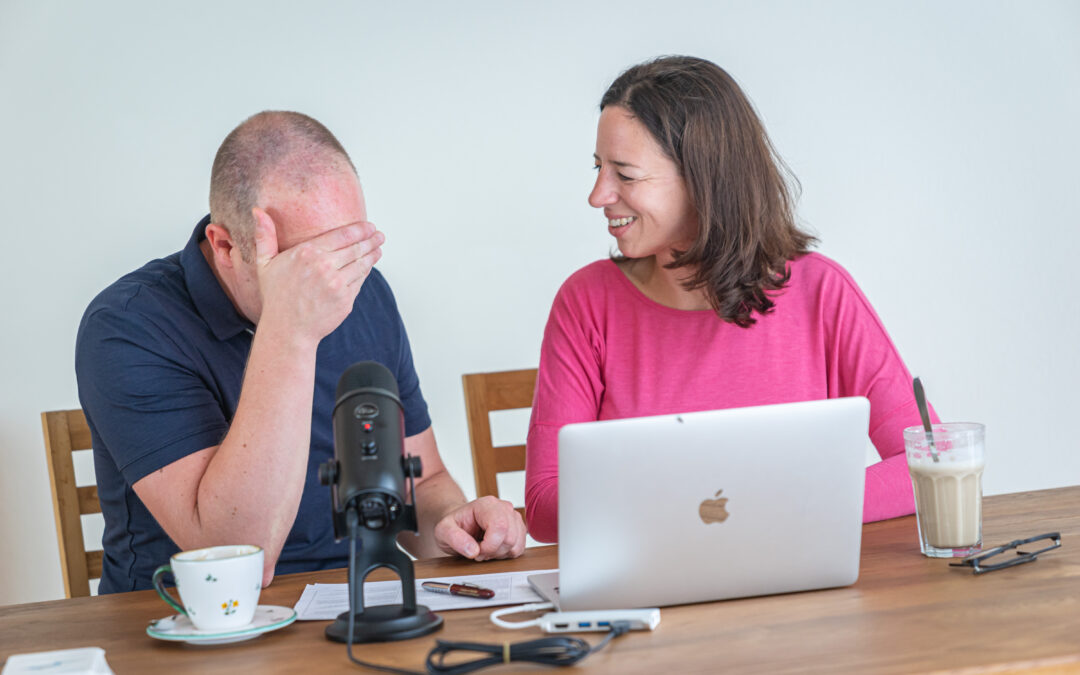
Elfie J. Czerny and Dominik Godat are communication and leadership experts, Interactionalists, and passionate advocates of solution-focused practices.
They are co-editors of the magazine Persönlichkeit! and co-founders of SF on Tour. Together, they lead the expert leadership course Fachkurs für Lösungsfokussierte Führung (Expert Course Solution-Focused Leadership) as well as the Certificate of Advanced Studies course CAS Lösungsfokus in Organisationen (Solution-Focus in Organisations) at the Lucerne University of Applied Sciences and Arts.
👉 Learn more: www.hslu.ch/loesungsfokus